
Dental Exams and Checkups at Cascade Dental
Staying on top of your dental health is easier when you know what to expect. A dental exam gives your dentist a complete picture of what is happening in your mouth, from the condition of individual teeth to the health of your gums and surrounding tissues. Many concerns can be identified and addressed early through regular checkups, before they become more involved to treat.
For patients who have been away from the dentist for a while, coming back in can feel like a big step. Our team understands that, and we make it a point to approach every appointment without judgement. Wherever you are starting from, a checkup is the right place to begin.
What Happens During a Dental Exam?
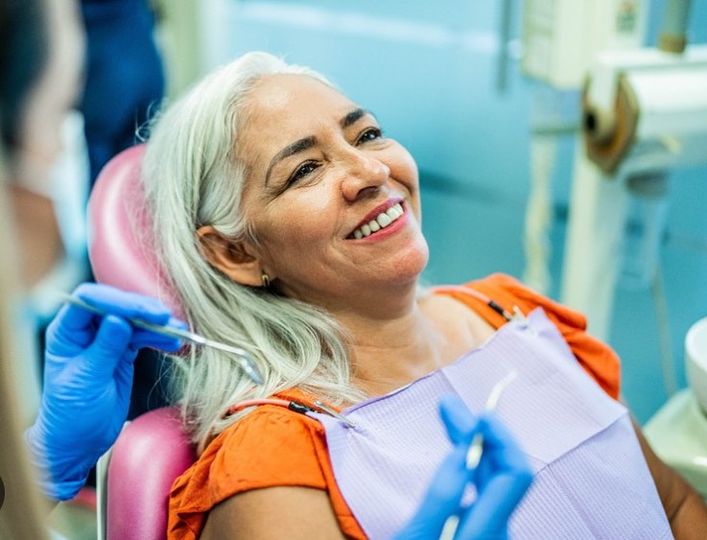
A dental exam is a thorough assessment of your oral health, not just a quick look at your teeth. We start by reviewing your medical history and asking about any changes since your last visit, including new medications, health conditions, or concerns you may have noticed yourself.
Each tooth is examined carefully for signs of decay, damage, or wear. Your gums are assessed for early indicators of gum disease, which often develops without causing pain in its early stages. We also check the soft tissues in your mouth, including the cheeks, tongue, and throat, as part of an oral cancer screening.
Dental x-rays are taken at certain intervals to give us a view of what cannot be seen on the surface. These images help identify concerns between teeth, below the gumline, or within the bone that a visual exam alone cannot detect.
How a Dental Exam Differs from a Dental Cleaning
Patients sometimes assume a dental exam and a cleaning are the same appointment. They are related but serve different purposes, and both are an important part of your preventive care.
Your cleaning is performed by a registered dental hygienist, who focuses on removing plaque and calculus buildup and assessing your gum health. The dental exam is conducted by your dentist, who evaluates the overall condition of your teeth, bite, jaw, and oral tissues. The two appointments are often scheduled together, which makes your visit efficient while ensuring both aspects of your care are covered.
What We Look for During Your Checkup
A comprehensive dental exam covers more ground than many patients expect. Here is what we assess during your visit.
Tooth Decay
Each tooth surface is checked for signs of cavities or early demineralization. When decay is caught at an early stage, treatment is simpler and less invasive than if it is left to progress.Existing Dental Work
Fillings, crowns, and other restorations are checked to confirm they are still intact and functioning as they should. Worn or compromised restorations can be identified and addressed before they cause additional problems.Gum Health
Gum disease is the leading cause of tooth loss in adults, and it tends to advance quietly. Your exam includes a gum assessment to identify any areas of concern, including pocketing, recession, or inflammation that may warrant closer monitoring or treatment.Oral Cancer Screening
A visual screening for changes in the soft tissues is included as part of every routine exam. Early detection significantly improves outcomes, and the check itself takes only a few minutes.Bite and Jaw Function
How your teeth come together affects more than just comfort. An uneven bite or signs of grinding and clenching can contribute to tooth wear, jaw discomfort, and headaches over time. We will take note of these patterns and discuss options if they apply to you.Why Regular Checkups Make a Difference
When nothing is bothering you, it is easy to push a dental visit down the priority list. The challenge with many dental concerns, though, is that they develop gradually and without obvious symptoms until they are more advanced. A small area of decay that could have been addressed with a simple filling can eventually reach the nerve of a tooth, requiring root canal therapy or extraction. Gum disease that goes undetected can silently affect the bone that supports your teeth.
Routine checkups interrupt that progression. They give us the opportunity to identify changes early, discuss what you can do at home to support your oral health, and recommend treatment when it is at its most manageable. Preventive care consistently costs less, in time and money, than treating problems that have had a chance to grow.
How Often Should You Come in for a Dental Exam?
For most patients, a dental exam every six months is the standard recommendation. That interval works well for individuals with stable oral health and a lower risk of decay or gum disease. Some patients benefit from coming in more frequently based on their personal health history, the medications they take, or specific risk factors that your dentist has identified.
Rather than applying the same schedule to everyone, we recommend a recall interval based on what makes sense for your individual situation.
Comfortable Care for Patients Who Feel Nervous
If the thought of a dental exam brings up some anxiety, you are in good company. Many people feel this way, and our team has spent over 35 years building a practice where patients genuinely feel at ease. We explain what we are doing before we do it, welcome your questions at any point, and never make you feel hurried.
Coming in for a checkup is a meaningful step toward feeling confident about your oral health, and we are here to make that experience as calm and straightforward as possible.
Book Your Dental Exam at Cascade Dental
Whether you are due for your regular checkup or it has been some time since your last visit, we would be glad to welcome you in. Our team serves patients throughout Maple Ridge, Pitt Meadows, and the surrounding Fraser Valley communities from our convenient location on Lougheed Highway. Give us a call at (604) 465-3432 to book your appointment.
Give us a call at (604) 465-3432 to book your appointment.
Common Questions About Dental Exams and Checkups
A routine dental exam typically takes between 30 and 60 minutes, depending on whether it is combined with a cleaning and whether x-rays are taken. New patient appointments generally run a little longer, as we take extra time to review your dental and medical history and establish a clear picture of your oral health baseline.
Coming back after a long gap is more common than you might think, and there is no need to feel embarrassed about it. Your first appointment will involve a thorough assessment so we can understand the current state of your oral health. From there, we will explain what we found, talk through any areas that need attention, and help you put together a plan that feels manageable. The goal is never to overwhelm you with everything at once.
Not necessarily. X-rays are taken based on your individual needs and how recently previous images were captured. New patients generally have a full set of x-rays to establish a baseline. For returning patients, the frequency depends on your risk factors and what your dentist is monitoring. We follow guidelines to ensure x-rays are taken when they are clinically appropriate.
Diagnostic services including dental exams are covered under the Canadian Dental Care Plan (CDCP) for eligible individuals. If you are unsure about your eligibility or what your coverage includes, our front desk team is happy to walk through the details with you before your appointment.