
Dental Fillings at Cascade Dental
A small cavity can be easy to ignore, especially when it is not causing any pain; however, tooth decay usually continues to progress when left untreated. A dental filling repairs the damaged area of a tooth, restores its structure, and helps prevent the problem from becoming more serious.
Fillings are one of the most common restorative dental treatments. Whether decay is found during a routine exam or you have noticed sensitivity, our team can assess the tooth and recommend the right approach to help protect your oral health.
What Happens During a Dental Filling Appointment?
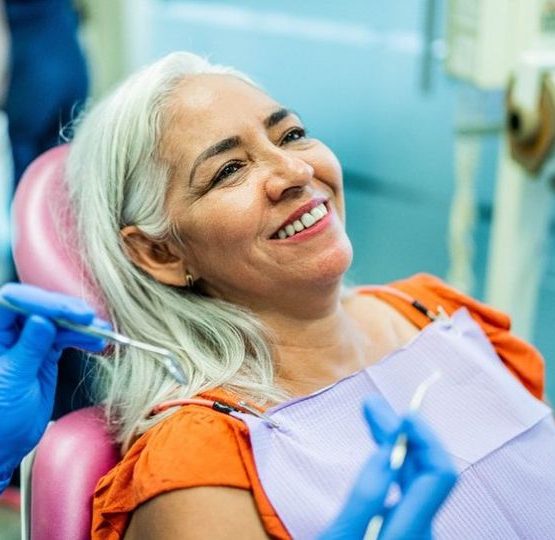
Before placing a filling, one of our dentists will carefully examine the affected tooth and determine the extent of the damage. If a filling is recommended, the decayed portion of the tooth is gently removed and the area is cleaned to prepare it for restoration.
The filling material is then placed into the prepared area and shaped to match the natural contours of your tooth. Once complete, your dentist will check your bite and make any adjustments needed so the restored tooth feels comfortable.
The goal of a filling is to preserve as much healthy tooth structure as possible while repairing the area affected by decay or minor damage. Treating cavities early often means a simpler restoration and helps reduce the risk of needing more extensive dental work later.
The Types of Dental Fillings We Provide
Different filling materials are available depending on the location of the tooth, the amount of repair needed, and your individual dental needs.
Composite Fillings
Composite fillings are tooth-coloured restorations designed to blend with the natural appearance of your smile. They are commonly used for both front and back teeth and are shaped directly onto the tooth during your appointment.Amalgam Fillings
Amalgam fillings are made from a durable metal-based material that has been used in dentistry for many years. They are typically known for their strength and ability to withstand chewing pressure.Replacement Fillings
Older fillings may eventually become worn, cracked, or damaged over time. If an existing filling is no longer protecting the tooth properly, replacing it can help restore function and reduce the risk of further issues.Why Treating Cavities Early Matters
Tooth decay does not repair itself. Once a cavity forms, the affected area usually continues to grow unless the damaged portion is removed and restored. Early treatment can help protect more of your natural tooth structure. A small filling is often a more straightforward solution compared to waiting until the decay reaches deeper layers of the tooth.
Untreated cavities may eventually lead to discomfort, infection, or the need for more complex treatment. Regular dental visits allow our team to identify concerns early and discuss your options before they become bigger problems.
How Do You Know If You Need a Filling?
Some cavities are noticeable, while others develop quietly without obvious symptoms. You may need a dental assessment if you experience sensitivity, discomfort when chewing, visible dark spots, or changes in the surface of a tooth.
Many cavities are found during routine exams before they start causing pain. This is why regular dental visits and x-rays, when recommended, are helpful for monitoring changes that cannot always be seen or felt.
Comfortable Care Throughout Your Appointment
We understand that many patients feel nervous about restorative dental treatment. Our team takes the time to explain what is happening, answer your questions, and help you feel comfortable before starting.
Your comfort matters throughout the appointment. If you have concerns about sensitivity, anxiety, or previous dental experiences, let us know so we can support you during your visit.
Book Your Dental Filling Appointment at Cascade Dental
Whether you have a cavity, a damaged filling, or concerns about a tooth, we are here to help. Our team serves patients throughout Maple Ridge, Pitt Meadows, and the surrounding Fraser Valley communities from our convenient location on Lougheed Highway.
Give us a call at (604) 465-3432 to book your appointment.
Common Questions About Dental Fillings
A dental filling should be a comfortable procedure for most patients. If the cavity is deeper or the tooth is sensitive, local anaesthetic is typically used to numb the area before treatment begins. This helps keep you comfortable while the damaged portion of the tooth is removed and repaired.
Some mild sensitivity after a filling is normal, especially when eating or drinking something hot or cold. This usually improves as the tooth adjusts. If discomfort continues or your bite feels uneven after treatment, let us know so we can take a closer look.
The lifespan of a dental filling depends on several factors, including the type of filling material used, the size of the restoration, your oral hygiene habits, and the amount of daily pressure placed on the tooth. A smaller filling in a low-pressure area may last longer than a larger filling on a tooth used heavily for chewing.
Regular dental exams allow us to monitor your existing fillings and check for signs of wear, cracks, or gaps around the edges. Finding these changes early helps protect the tooth underneath and reduces the chance of more complicated treatment being needed later.
Early enamel changes may sometimes be managed with preventive care, but once decay creates a cavity or permanent damage in the tooth structure, it cannot repair itself. A filling is needed to remove the damaged area and restore the tooth.
Leaving a cavity untreated gives bacteria more time to spread deeper into the tooth. What starts as a small area of decay can eventually lead to pain, infection, or the need for more involved treatment. Treating cavities earlier usually allows us to preserve more of your natural tooth.
Fillings handle daily chewing pressure and can naturally wear down over time. An older filling may crack, loosen, or develop small openings around the edges where bacteria can collect.
Replacing a damaged filling helps restore the seal around the tooth and protect it from further decay. During your regular dental visits, we check existing restorations and let you know if a replacement is recommended before a larger issue develops.