Fissure Sealants at Cascade Dental
The grooves on the chewing surfaces of back teeth can be difficult to keep completely clean, especially for children who are still developing their brushing habits. Food particles and bacteria can collect in these narrow areas, increasing the chance of cavities forming over time.
Fissure sealants provide an added layer of protection by covering these grooves with a thin protective material. They are commonly recommended as a preventive option to help protect teeth that may be more vulnerable to decay.
What Happens During a Fissure Sealant Appointment?
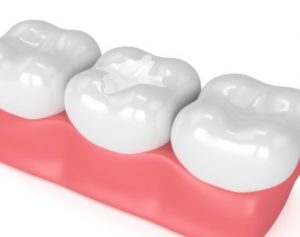
A fissure sealant appointment is usually simple and comfortable. The tooth is first cleaned and prepared so the sealant material can properly attach to the surface.
The sealant is then carefully placed over the natural grooves of the tooth, creating a smoother surface that is easier to keep clean. Once the material has hardened, it acts as a protective barrier against bacteria and food debris.
No drilling or removal of healthy tooth structure is typically required when placing a preventive sealant. The process is focused on protecting the tooth before a cavity develops.
The Types of Fissure Sealant Care We Provide
Preventive dental care is based on each patient’s individual needs. Before recommending sealants, we assess the teeth and determine where extra protection may be helpful.
Sealants for Children’s Teeth
Children’s permanent molars often have deep grooves that can trap bacteria. Applying sealants after these teeth come in can help protect them during years when cavities are more common.Sealants for Teenagers
As children become teenagers, busy schedules and changing routines can sometimes affect oral hygiene habits. Sealants can provide continued protection for teeth that are harder to clean effectively.Sealant Monitoring and Maintenance
Fissure sealants are checked during regular dental visits to make sure they are still providing proper coverage. If a sealant becomes worn or damaged, we can determine whether repair or replacement is needed.Why Preventing Cavities Early Matters
Preventive care helps reduce the chance of small concerns turning into larger dental problems. Protecting vulnerable areas of the teeth can make it easier to maintain good oral health over time.
Molars naturally have uneven surfaces that allow them to help with chewing. Those same grooves can also create spaces where toothbrush bristles may not fully reach.
Fissure sealants work alongside regular brushing, flossing, and dental visits. They do not replace daily care, but they can provide extra support for teeth that are more likely to collect buildup.
How Do You Know If Fissure Sealants Are Needed?
Not every patient needs fissure sealants. The recommendation depends on the shape of the teeth, cavity risk, and how easily the grooves can be cleaned.
During a dental examination, we can assess whether certain teeth may benefit from additional protection. If sealants are recommended, we will explain why they may be helpful and answer any questions before moving forward.
Comfortable Preventive Care for Children and Families
Many parents have questions when a new dental treatment is recommended for their child. We take time to explain what sealants do, how they are placed, and what to expect during the appointment.
The process is designed to be straightforward and comfortable. Helping children understand preventive care can also encourage better oral health habits as they grow.
Book Your Fissure Sealant Appointment at Cascade Dental
Whether your child’s permanent teeth are coming in or you want to learn more about preventive dental options, we are here to help. Our team serves families throughout Maple Ridge, Pitt Meadows, and the surrounding Fraser Valley communities from our convenient location on Lougheed Highway. Give us a call at (604) 465-3432 to book your appointment.
Give us a call at (604) 465-3432 to book your appointment.
Common Questions About Fissure Sealants
No. Getting fissure sealants placed is usually a comfortable process because it does not involve removing tooth structure. The tooth is cleaned, prepared, and coated with the sealant material.
Some children may feel unsure simply because the experience is new. We explain each step before beginning and help young patients feel comfortable throughout the appointment.
Yes. Fissure sealants provide extra protection for the chewing surfaces of certain teeth, but they do not protect every area of the mouth. Brushing, flossing, and regular dental visits are still important.
Sealants work best as part of a complete preventive routine. Keeping good habits at home helps protect areas between teeth and along the gumline where sealants are not applied.
The lifespan of a fissure sealant can vary depending on chewing habits, the tooth being protected, and normal daily wear. Some sealants remain effective for years, while others may need maintenance sooner.
During routine dental appointments, we check existing sealants to make sure they are still covering the tooth properly. If changes are noticed, we can discuss whether the sealant should be repaired or replaced.
Fissure sealants are most commonly recommended for children and teenagers because newly erupted permanent teeth can benefit from early protection; however, suitability depends on the individual tooth and the patient’s needs. Adults with deep grooves in certain teeth may also ask about preventive options. A dental examination is the best way to determine whether sealants are appropriate.